

Assembling a 10×10 canopy tent offers quick shelter for events; understanding the assembly process‚ from unboxing to securing‚ ensures a stable and protected space.
What is a 10×10 Canopy Tent?
A 10×10 canopy tent is a portable shelter‚ commonly featuring a square base measuring ten feet by ten feet. These tents typically consist of a pre-assembled‚ folding steel frame covered with a durable‚ waterproof canopy top.
They are designed for easy setup and takedown‚ making them ideal for various outdoor activities. Often‚ a wheeled carrying bag is included for convenient transportation. Key components include the frame‚ canopy cover‚ ropes‚ and stakes; Some models offer optional sidewalls for increased weather protection. The frame utilizes a push-button locking mechanism for secure leg extension and stability‚ crucial for resisting wind and ensuring safe use.
Common Uses for 10×10 Canopy Tents
10×10 canopy tents serve diverse purposes‚ offering shade and shelter for outdoor events. They are frequently used at festivals‚ markets‚ and fairs‚ providing vendors with a covered space to display goods.
These tents are also popular for backyard parties‚ picnics‚ and camping trips‚ protecting guests from sun and light rain. Sporting events often utilize them for team shelters or spectator seating. Furthermore‚ they can function as temporary workspaces or storage solutions. Optional sidewalls enhance protection against the elements‚ expanding usability. Their portability and ease of assembly make them a versatile choice for various outdoor needs.

Unboxing and Inventory
Carefully unpack the canopy tent‚ verifying all components – frame‚ canopy top‚ ropes‚ stakes – are present‚ matching the included parts list for smooth assembly.
Checking the Package Contents
Upon receiving your 10×10 canopy tent‚ the initial step involves a thorough check of the package contents. Carefully remove all items from the box and compare them against the included parts list. A standard kit typically includes a pre-assembled‚ heavy-duty folding frame‚ a premium canopy top cover‚ ropes‚ and stakes.
A wheeled carrying bag is also commonly provided for easy transport and storage. Some models may additionally feature optional sidewalls or sandbags. Ensure the frame is intact and free from any damage. Verify the canopy top is present and undamaged‚ and that all ropes and stakes are accounted for. Missing components should be reported to the retailer immediately to avoid assembly delays.
Identifying Key Components: Frame‚ Canopy‚ Accessories
The 10×10 canopy tent consists of three primary components: the frame‚ the canopy top‚ and the accessories. The frame is usually pre-assembled‚ featuring folding legs and a push-button locking mechanism for easy setup. The canopy top‚ made of durable vinyl‚ provides the shelter from the elements.
Accessories include ropes and stakes‚ essential for securing the tent to the ground‚ especially in windy conditions. Sidewalls‚ if included‚ offer additional weather protection. Familiarizing yourself with each component before assembly streamlines the process. Understanding the function of each part ensures a safe and stable setup‚ maximizing the tent’s usability.

Frame Assembly ‒ Step-by-Step
Begin by unfolding the frame and extending the legs; engage the push-button locks at each corner‚ ensuring they securely click into place for stability.
Expanding the Folding Frame
To begin expanding the folding frame‚ carefully remove it from the wheeled carrying bag and place it on a flat‚ open surface. It’s beneficial to have two people assist with this step‚ especially given the tent’s size. Grasp two outer legs on opposite sides of the frame.
Lift the frame slightly off the ground and step backward‚ maintaining a comfortable arm’s length distance. This action initiates the unfolding process. Continue stepping back until the frame is fully extended. Ensure the legs are moving outwards smoothly and aren’t obstructed. A fully expanded frame forms the foundational structure for the canopy.
Locking the Frame Legs
Once the frame is expanded‚ securing the legs is crucial for stability. Locate the push-button locking mechanism on each corner of the frame. Engage this mechanism by pushing upwards with one hand while simultaneously holding down the top of the leg with the other.
This action allows the button to lock into the designated hole‚ firmly securing the leg in place. Repeat this process for all four corners‚ ensuring each leg is properly locked. A secure lock prevents collapsing and provides a stable base for the canopy. Verify each corner before proceeding.
Understanding the Push-Button Locking Mechanism
The push-button locking mechanism is central to a 10×10 canopy tent’s stability. It’s designed for easy‚ tool-free operation‚ allowing quick setup and takedown. Each leg features this button‚ which‚ when pressed‚ releases the telescoping section‚ enabling height adjustment.
To lock‚ extend the leg to the desired height and push the button upwards while holding the leg’s top. This engages the button into a corresponding hole‚ securing the leg. Ensure a distinct ‘click’ confirms proper engagement. Familiarity with this mechanism is key to safe and efficient assembly.
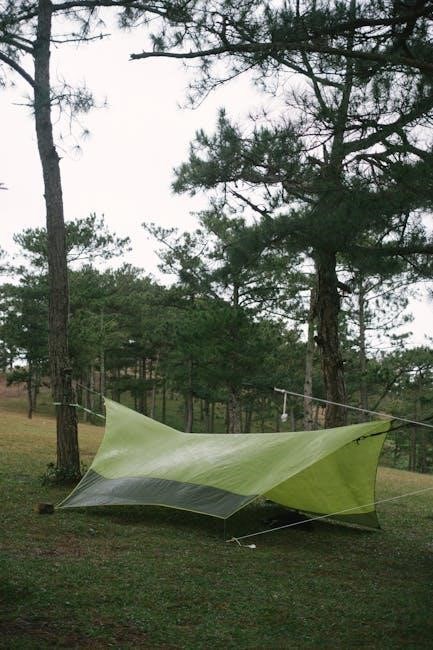
Canopy Attachment
Attaching the canopy top involves unrolling it over the frame‚ centering the peak material‚ and securing it with provided straps or Velcro closures.
Positioning the Canopy Top
Carefully unroll the vinyl canopy top across the assembled frame‚ ensuring it’s evenly distributed. A crucial step is centering the extra peak material directly on top of the frame’s apex. This centering prevents uneven stress and ensures a proper fit.
Having a second person assist during this stage is highly recommended‚ as the canopy can be unwieldy. Ensure the canopy is aligned with the frame’s corners before proceeding to secure it. Incorrect positioning at this stage can lead to difficulties in attachment and a compromised structure. Take your time and double-check alignment for optimal results.
Remember‚ proper positioning is foundational for a secure and weather-resistant setup.
Securing the Canopy to the Frame
Once positioned‚ secure the canopy top to the frame using the provided Velcro straps or clips. Begin at one corner and work your way around the perimeter‚ ensuring each attachment point is firmly fastened. Consistent tension is key; avoid over-tightening‚ which can strain the fabric and frame.
Pay close attention to the peak of the canopy‚ as this area often requires additional securing. Double-check all connections to guarantee the canopy is firmly anchored to the frame‚ preventing slippage during windy conditions. A secure attachment is vital for stability and protection.
Inspect each connection point for proper engagement before considering the canopy fully secured.
Ensuring Proper Canopy Alignment
Correct alignment is crucial for a taut and stable canopy. After attaching the canopy‚ visually inspect all sides to confirm it’s evenly distributed over the frame. Look for any sagging or uneven tension‚ particularly along the edges and peak.
Adjust the Velcro straps or clips as needed to correct any misalignment. The canopy should sit smoothly‚ without wrinkles or bunching. Centering the extra peak material is important to prevent damage. Proper alignment maximizes the canopy’s ability to withstand wind and rain.
A well-aligned canopy not only looks better but also extends the lifespan of both the fabric and the frame.
Height Adjustment and Leg Extension
Adjusting leg height provides stability; avoid over-tensioning‚ as this can cause perimeter poles to bow inwards‚ potentially damaging the frame and canopy.
Adjusting Leg Height for Stability
Proper leg height adjustment is crucial for canopy stability‚ especially in varying terrains or windy conditions. Most 10×10 canopy tents feature multiple height settings‚ typically achieved through push-button mechanisms on each leg. To adjust‚ firmly grasp the lower portion of the leg while simultaneously pushing upwards on the release button.
Extend the leg to the desired height‚ ensuring all legs are set at the same level for a balanced structure. Regularly check the leg locks to confirm they are securely engaged. Uneven leg heights can compromise the canopy’s structural integrity and increase the risk of collapse. Prioritize a stable foundation before attaching the canopy top;
Avoiding Over-Tensioning the Frame
Over-tensioning the canopy frame can lead to significant damage‚ potentially warping the metal or tearing the canopy fabric. Caution is advised; excessive force during assembly is detrimental. The frame is designed to operate within a specific tension range.
When attaching the canopy top‚ avoid pulling excessively on the fabric. Instead‚ focus on evenly distributing the material across the frame. Remember that over-tensioning can cause the perimeter poles to bow inwards‚ compromising the structure’s stability. Gentle adjustments and a balanced approach are key to a secure and long-lasting setup.
Securing the Canopy ⎼ Stakes and Ropes
Stakes anchor the canopy‚ while ropes provide wind resistance; proper tensioning is crucial for stability‚ preventing damage during inclement weather conditions.
Using Stakes for Ground Anchoring
Stakes are essential for securing your 10×10 canopy tent to the ground‚ providing a crucial first line of defense against wind. Begin by inserting a stake through the loop at the end of each rope attached to the canopy frame’s feet.
Drive the stakes into the ground at a 45-degree angle‚ pointing away from the tent; Ensure a significant portion of the stake remains buried for optimal holding power. For softer ground‚ consider using longer stakes or angled stakes for increased stability. On harder surfaces‚ a rubber mallet can assist with driving the stakes in.
Regularly check stake placement‚ especially during windy conditions‚ to ensure they haven’t loosened or pulled out of the ground. Properly anchored stakes significantly enhance the safety and longevity of your canopy setup.
Attaching Ropes for Wind Resistance
Ropes provide an additional layer of security‚ working in tandem with stakes to resist wind forces on your 10×10 canopy tent. Attach one end of each rope to the designated loops or attachment points on the canopy frame‚ typically found near the corners.
Extend the ropes outwards from the tent‚ creating a wider base of support. Secure the other end of each rope to a separate stake driven firmly into the ground. Proper rope tension is vital; avoid over-tightening‚ which can strain the frame‚ and ensure even distribution of tension across all ropes.
Regularly inspect rope connections and tension‚ adjusting as needed‚ particularly when weather conditions change. This proactive approach maximizes wind resistance and protects your investment.
Proper Rope Tensioning Techniques
Achieving optimal rope tension is crucial for canopy stability. Begin by pulling each rope taut‚ but avoid excessive force that could damage the frame or attachment points; A slight slack is preferable to over-tensioning‚ which can cause the frame to bow inwards.
Employ a consistent tensioning method for all ropes – a firm‚ even pull is ideal. Utilize rope adjusters or tensioning buckles‚ if included‚ to fine-tune the tightness. Regularly check tension‚ especially after initial setup and during shifts in wind conditions.
Ensure all ropes are equally taut to distribute stress evenly. Avoid creating a situation where some ropes bear the brunt of the wind load‚ potentially leading to failure.
Sidewall Installation (Optional)
Sidewalls attach to the canopy frame‚ providing enhanced weather protection and privacy; secure them firmly for optimal performance during various conditions.
Attaching Sidewalls to the Frame
Attaching sidewalls typically involves Velcro straps or hooks that connect directly to the canopy frame’s legs or the underside of the canopy top. Begin by aligning the sidewall with the desired frame side‚ ensuring the attachment points match.
Carefully fasten the Velcro straps‚ ensuring a snug fit to prevent gaps. If using hooks‚ loop them securely around the frame members. Work your way around the entire sidewall‚ consistently checking for secure attachment.
Some sidewalls feature reinforced corners for added durability; ensure these are properly aligned with the frame’s structural points. Proper attachment is crucial for maintaining the sidewall’s integrity against wind and weather‚ maximizing the canopy’s protective capabilities.
Securing Sidewalls for Weather Protection
Securing sidewalls effectively is vital for weather resistance. Beyond initial attachment‚ utilize the provided ropes and stakes to further anchor the sidewalls to the ground. Attach ropes to designated loops or grommets on the sidewalls‚ extending them outwards at a 45-degree angle.
Drive stakes firmly into the ground‚ ensuring a taut line between the sidewall and the anchor point. For enhanced stability‚ consider using sandbags placed along the bottom edges of the sidewalls‚ particularly in windy conditions.
Regularly inspect the ropes and stakes‚ re-tightening or readjusting as needed to maintain tension and prevent the sidewalls from flapping or detaching during inclement weather.
Troubleshooting Common Assembly Issues
Common problems include legs not locking‚ canopy fit issues‚ and instability; carefully review connections‚ alignment‚ and ensure proper tension for a secure setup.
Frame Legs Not Locking
If the frame legs aren’t locking‚ double-check the push-button mechanism at each corner. Ensure you’re simultaneously pushing up on the button while firmly holding the top of the leg down. This engages the button into the locking hole.
Sometimes‚ slight adjustments to the leg’s position are needed. A gentle rocking motion while applying pressure can help the locking pin seat correctly. Avoid excessive force‚ as this could damage the mechanism.
Inspect the button and receiving hole for any debris or obstructions. Clear any dirt or particles that might be preventing proper engagement. If the issue persists‚ verify that all frame components are correctly aligned before attempting to lock the legs again.
Canopy Not Fitting Properly
When attaching the canopy top‚ ensure the extra peak material is centered directly over the frame. Uneven distribution can cause the canopy to strain and not fit correctly. Unroll it across the frame‚ making sure it’s aligned on all sides.
Check for proper orientation; canopies often have a specific “top” and “bottom.” Incorrect placement will lead to fitting issues. Gently stretch the canopy fabric over the frame‚ working your way around the perimeter.
Avoid over-tensioning during this step‚ as it can damage both the canopy and the frame. If it still doesn’t fit‚ re-examine the frame’s full extension and locking status.
Frame Instability
If the frame feels unstable‚ immediately address the issue before proceeding; Verify that all leg sections are fully extended and the push-button locking mechanisms are securely engaged at each corner. A clicking sound confirms proper locking.
Ensure the tent is placed on a level surface. Uneven ground significantly contributes to instability. Adjust leg heights‚ if necessary‚ to compensate for minor ground variations.
Crucially‚ utilize stakes and ropes to anchor the canopy. Wind can easily topple an unsecured frame. Proper tensioning of ropes is vital; avoid over-tensioning‚ which can bow the perimeter poles.

Maintenance and Care
Regular cleaning of the canopy top and proper frame storage are essential for longevity; inspect components for damage before each use and after storage.
Cleaning the Canopy Top
Maintaining a clean canopy top extends its lifespan and preserves its appearance. Begin by gently removing loose dirt and debris with a soft-bristled brush or cloth. For more stubborn stains‚ prepare a mild cleaning solution using water and a small amount of gentle detergent – avoid harsh chemicals or abrasive cleaners‚ as these can damage the fabric.
Apply the solution with a sponge or cloth‚ working in circular motions. Rinse thoroughly with clean water‚ ensuring all soap residue is removed. Allow the canopy to air dry completely before storing or reinstalling it. Avoid using a machine dryer‚ as heat can cause shrinkage or damage. Regular cleaning prevents mildew and ensures your canopy remains in optimal condition for years to come.
Storing the Canopy Tent
Proper storage is crucial for preserving your 10×10 canopy tent’s longevity. Before storing‚ ensure the canopy and frame are completely dry to prevent mildew and rust. Disassemble the tent fully‚ separating the canopy top‚ frame‚ stakes‚ and ropes. Clean all components as described previously.
Fold the canopy top neatly‚ avoiding sharp creases. Collapse the frame‚ securing it with any provided straps or ties. Place all parts into the included wheeled carrying bag‚ ensuring a snug fit. Store the bag in a cool‚ dry place‚ away from direct sunlight and extreme temperatures. Avoid storing in damp basements or exposed outdoor locations.
Frame Maintenance
Regular frame maintenance extends the life of your 10×10 canopy tent. After each use‚ inspect the frame for any signs of rust‚ bending‚ or damage to the locking mechanisms. Clean the frame with a mild detergent and water‚ then thoroughly dry it to prevent corrosion.
Lubricate the push-button locking mechanisms with a silicone-based lubricant to ensure smooth operation. Check the leg extensions for secure locking; tighten any loose bolts or screws. Store the frame properly‚ as detailed in the storage instructions‚ to protect it from the elements. Address any damage promptly to avoid further issues.
Safety Precautions
Prioritize safety during assembly and use; secure the canopy against wind‚ avoid overloading‚ and follow all guidelines for a safe experience.
Wind Safety Guidelines
Ensuring your 10×10 canopy tent remains secure in windy conditions is paramount for safety and preventing damage. Always utilize the provided stakes and ropes‚ anchoring them firmly into the ground at a 45-degree angle away from the frame legs. Proper rope tensioning is crucial – avoid over-tensioning‚ which can bow the frame‚ but ensure sufficient tightness to resist uplift.
Monitor weather forecasts before and during events. If strong winds are predicted‚ consider taking the canopy down. Never leave a canopy unattended in windy conditions. Regularly inspect ropes and stakes for wear and tear‚ replacing them as needed. Remember‚ even with proper securing‚ extreme weather can compromise the canopy’s stability.
Avoiding Overloading the Canopy
Maintaining the structural integrity of your 10×10 canopy tent requires careful consideration of weight distribution. Avoid concentrating heavy objects‚ like equipment or decorations‚ in a single area of the canopy roof. Distribute weight evenly across the frame to prevent sagging or potential collapse.
Be mindful of snow accumulation in colder climates; regularly remove snow to prevent excessive weight buildup. Do not attach excessively heavy items to the canopy frame‚ as this can compromise its stability. The canopy is designed for shelter‚ not as a load-bearing structure. Prioritize safety by respecting weight limits.